A stove in the listing photos is a question, not a feature
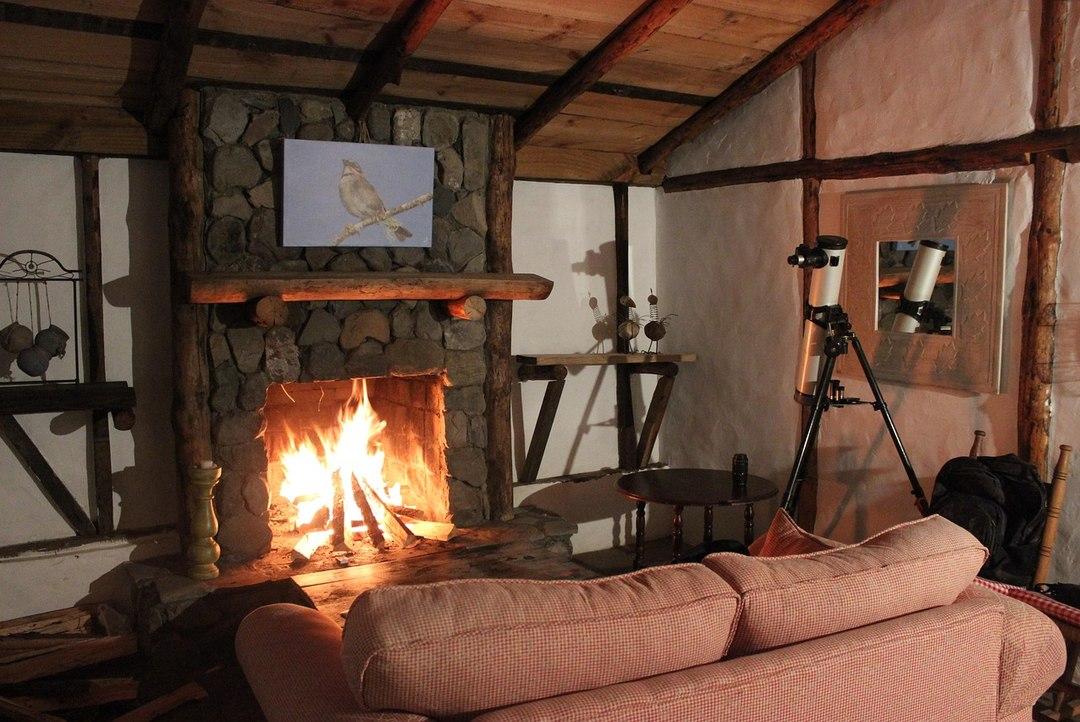
Buyers love a wood stove in the photos. A black iron box on a stone pad, a stack of oak beside it, a cold evening. What the photos cannot tell you is who put it in, what it vents into, and how it was burned by the people who are moving out. In Costa Mesa we see stoves fitted properly with a liner to the top of the chimney, and we see stoves pushed into an old fireplace opening with a short length of pipe and nothing else. From the living room they look the same.
That is the case for a chimney inspection of its own when you are buying, separate from the general home inspection.
What the home inspection usually says
A general inspector covers the whole house. When it comes to a stove, the report usually carries a note along the lines of "recommend evaluation by a qualified chimney professional." Read that as a referral, not a defect: the inspector saw a wood burning appliance and did not take it apart, which is normal and correct for that job.
The chimney trade has its own national standard, NFPA 211, and it describes inspections at three depths. The middle one, Level 2, is the depth it expects when a house is changing hands. That is the inspection we run for buyers, and with us it costs $385.
What we look at on a stove for a buyer
A Level 2 on a house with a wood stove covers the stove, the pipe, the chimney and the house around them:
- The stove itself. Its label plate, the condition of the body, door, glass, seals, firebrick and the parts above the fire. A cracked body or warped door goes at the top of the list.
- Clearances. The distance from the stove and its pipe to walls, trim, a mantel and the ceiling, and the size of the floor pad under and in front of it.
- The connection. Where the pipe from the stove meets the chimney. Stoves set into an old fireplace should run a liner all the way up. We say plainly if that liner is missing.
- The flue. A camera run through its full height, looking for cracked tiles, open joints, heavy tar and anything lodged inside.
- The top. The cap, the crown and the flashing where the chimney meets the roof.
- The attic. Where the chimney or pipe passes through, looking at the gap between it and the framing and any sign of heat or water.
What we cannot tell you
We cannot tell you whether the stove went in with a city permit. We can tell you whether what we see matches the stove maker's clearances and how a liner should be run, and the report says so in plain words. If you want the permit history, that comes from the city, and your agent can usually help you ask for it.
We also cannot see how the sellers burned. Heavy tar in the flue tells us a lot, and so does the state of the firebrick, but past chimney fires sometimes leave only faint marks. Where we see signs of one, such as puffy, flaky creosote or heat-checked tiles, we say so.
How findings become decisions
Each item in the report is sorted into one of three groups: fix before the stove is used, fix soon, and fine for now. Buyers and agents use that sort to decide what to ask the seller for. Some of the common fixes have a published price with us:
- A cap over the flue, fitted: quoted after we measure, and the price depends on size and material.
- Leak traced to its source and sealed: $550 to $3,300.
Other fixes, such as a missing liner, a stove repair or a cracked crown, get a written figure from us once we have seen them, so a buyer has a real number to take into the negotiation. Send us the address, the date your inspection period ends and who should get a copy of the report, and we will set a time that fits it.
Access and who gets the report
You do not need to be at the house. Most buyers in Costa Mesa have their agent arrange access with the listing side. We send the finished report and photos to you, and to anyone else you name when you book, such as your agent. Our home sale chimney inspection page covers the process in more detail, and agents have their own page at chimney inspections for real estate agents.
After you get the keys
If the stove comes through clean, the first winter is simple: burn dry wood, keep the glass clean and have the chimney swept once you have been burning regularly. Our chimney sweep starts from $415.
Be aware that Costa Mesa falls under the air district that can call winter no-burn alerts under Rule 445. A wood stove is still yours to use on every other day. If you are thinking of switching it to gas once you move in, our post on wood, pellet or gas inserts compares the options, and a gas insert in a brick fireplace runs $2,750 to $5,500 with us.
Ready to book
Buying a house with a wood stove in or around Costa Mesa? Head to our contact page, tell us the address and your timeline, and we will book the Level 2 and send the report where you need it.
Want Larkin to Look at Yours?
We look at the stove, hearth or flue this post talks about, tell you what wore out and why, and send the report with photos. Visits leave Costa Mesa for Westminster, Newport Beach, Lake Forest and the towns around them.