Stoves are a narrower trade than chimneys
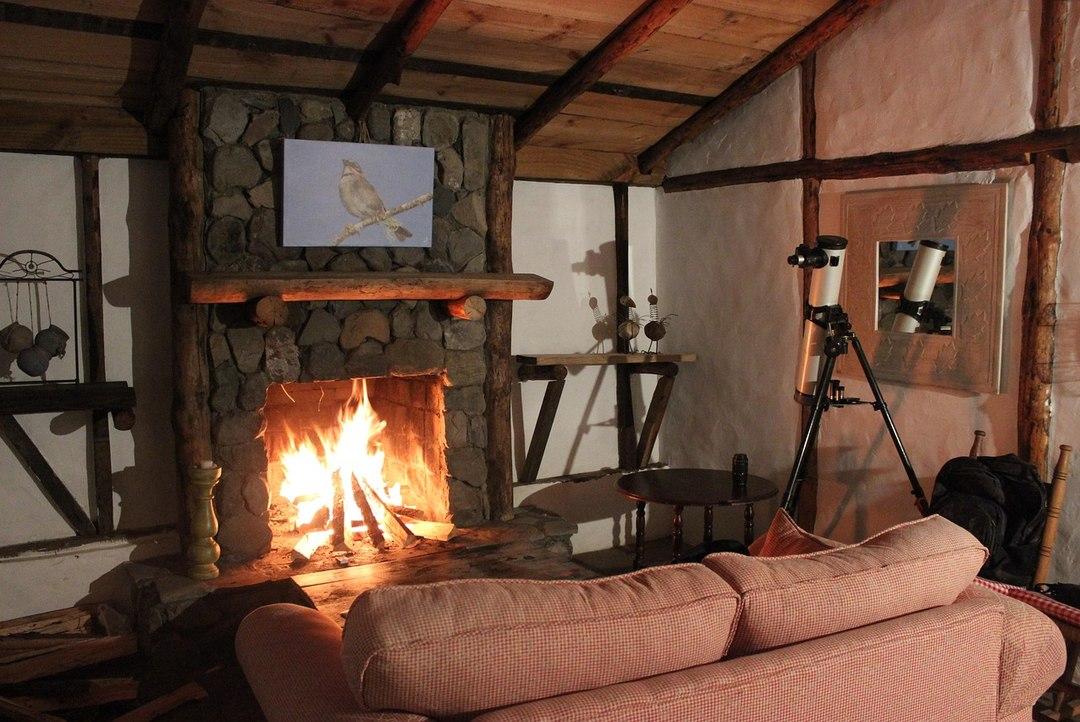
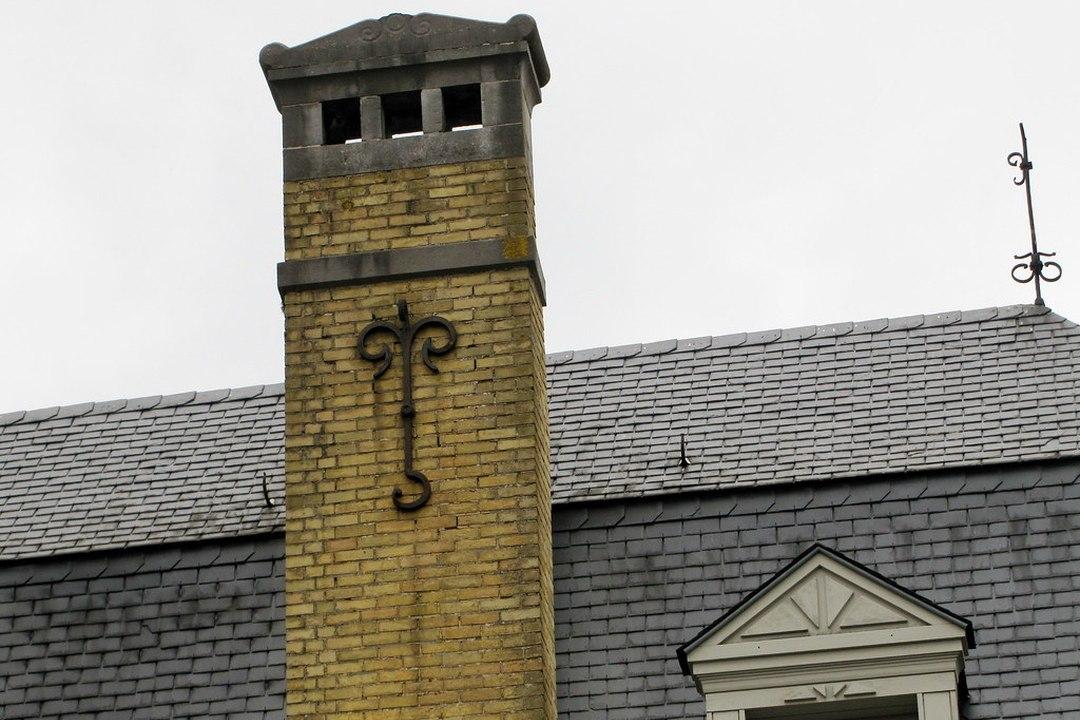
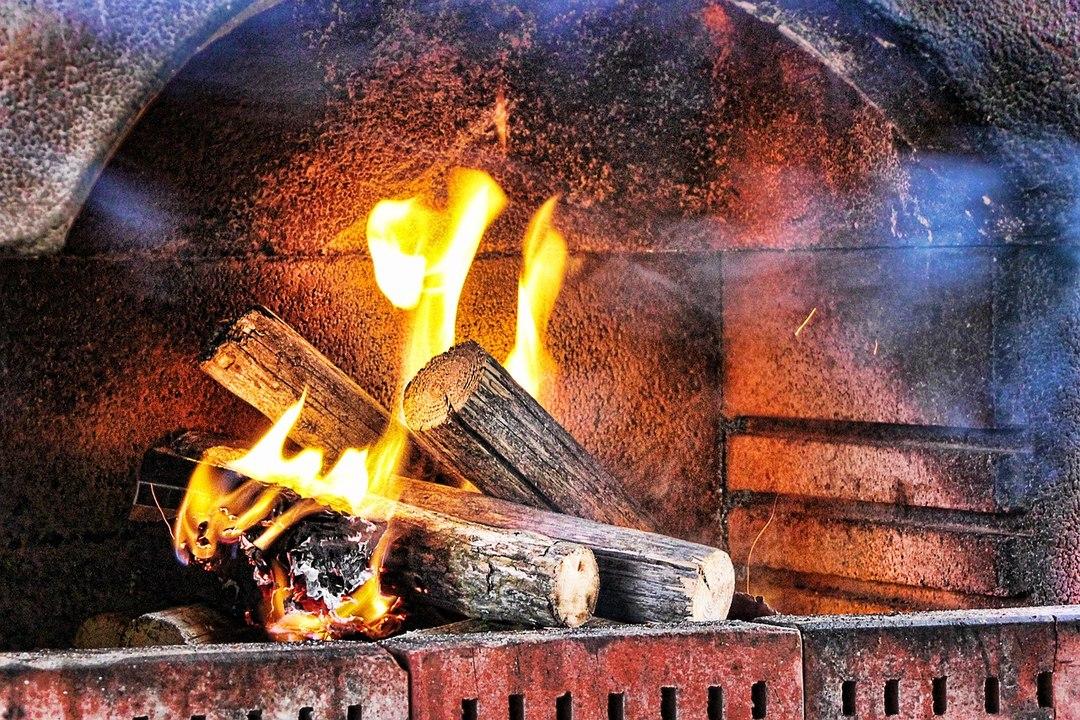
Plenty of people will sweep a chimney. Fewer will take apart a wood stove, find the warped part and know which replacement fits a model that went out of production years ago. Fewer still will open up a pellet stove, put a meter on the feed motor and read a fault code. When a stove in Costa Mesa needs work, the person you hire should be comfortable with the iron box, the pipe and the chimney, because the problem can sit in any of the three.
This post is about telling those people apart before you let anyone into the house. It is written from our side of the job, so take it as how we think the work ought to go, and hold us to it too.
Listen to how they want to find the fault
The first phone call says a lot. A good stove tech asks questions before giving answers:
- What make and model is it, and roughly how old?
- Wood or pellets, and how much do you burn in a week?
- What changed? Smoke, slow lighting, short burns, a noise, a smell?
- When was the flue last swept, and by whom?
- Is the pipe going straight up through a ceiling, into a masonry chimney, or out a wall?
Someone who skips all of that and quotes a part over the phone is guessing. Sometimes the guess is right. When it is wrong, you pay for a part you did not need and still have the fault.
Warning signs we hear about from owners
These come up when owners call us after a visit from someone else:
- A new stove pitched before the old one was opened. Some stoves are past saving. That gets decided with the door open and the bricks out, not from the driveway.
- Repair with no sweep. Lighting a repaired stove into a flue full of tar puts the risk right back.
- No look above the ceiling or on the roof. Many stove smoke problems are a cap clogged with soot or a pipe joint that slid apart in the attic.
- A price for everything except what was found. A flat visit fee is fine. A vague bill afterward is not.
- Talk of certificates in place of answers. What counts is whether the person can show you the worn part and explain why it failed.
What a sound visit looks like
On a stove call we run the stove or look at its last fire, then open it up. Door and glass seals, firebrick, the burn tubes or combustor, the air controls and the welds all get checked. We follow the pipe to the ceiling or the chimney and look at the joints and clearances to anything that can burn. If the flue can be reached from the roof, we look at the cap and the top of the run.
Then we tell you, in plain words, what is wrong and what it takes to put right. If a part has to be ordered, you know which one and why.
What decides the next step
After that first look, a job goes one of three ways. Some stoves need a clean and a seal, and we finish on the day. Some need a part ordered, so you get a written figure for the part and the fitting first. Some show a problem in the chimney rather than the stove: a cracked tile, an old flue far too big for the stove, or a pipe that ends inside the chimney without reaching the top. Those get a written plan of their own.
Tell us the stove make and what it does when you light it, and we will tell you which of those three we expect before we come out.
Prices you can check in advance
Our prices for fixed visits are published. A chimney sweep starts from $415. A Level 1 chimney inspection, the look at the parts that can be seen from the stove, the roof and the attic, costs $165. A Level 2, which adds a camera run through the full flue, costs $385.
Stove repair itself has no published figure, because the part and the time vary too much. What you should expect from anyone, us included, is a written number before parts are ordered, broken into parts and labor, and a clear note of anything found that is not being fixed today.
What to have ready
You do not need to know much. Helpful things:
- The make and model, often on a plate on the back or under the ash lip.
- Roughly when the stove went in, and whether it came with the house.
- What the wood is: bought split oak, yard trimmings, a pallet pile in the side yard.
- Clear floor space in front of the stove and a path to the attic hatch.
Local habits we bring to the job
Around Costa Mesa a lot of the wood burned is whatever came down in the yard: eucalyptus, pine, citrus, now and then a palm that should never go in a stove at all. Much of it is burned before it has dried a full season. That shows up as tar in the flue and soot on the glass, and it is one of the first things we ask about. We also know the coast: caps and pipe near the water rust faster, and we check them on every visit.
Getting started
If your stove is smoking, stalling or eating wood, our wood stove repair page sets out the work, and our post on what stove repairs cost covers the pricing. When you are ready, the contact page is the way in, and we will arrange a visit to your Costa Mesa home.
Want Larkin to Look at Yours?
We look at the stove, hearth or flue this post talks about, tell you what wore out and why, and send the report with photos. Visits leave Costa Mesa for Westminster, Newport Beach, Lake Forest and the towns around them.