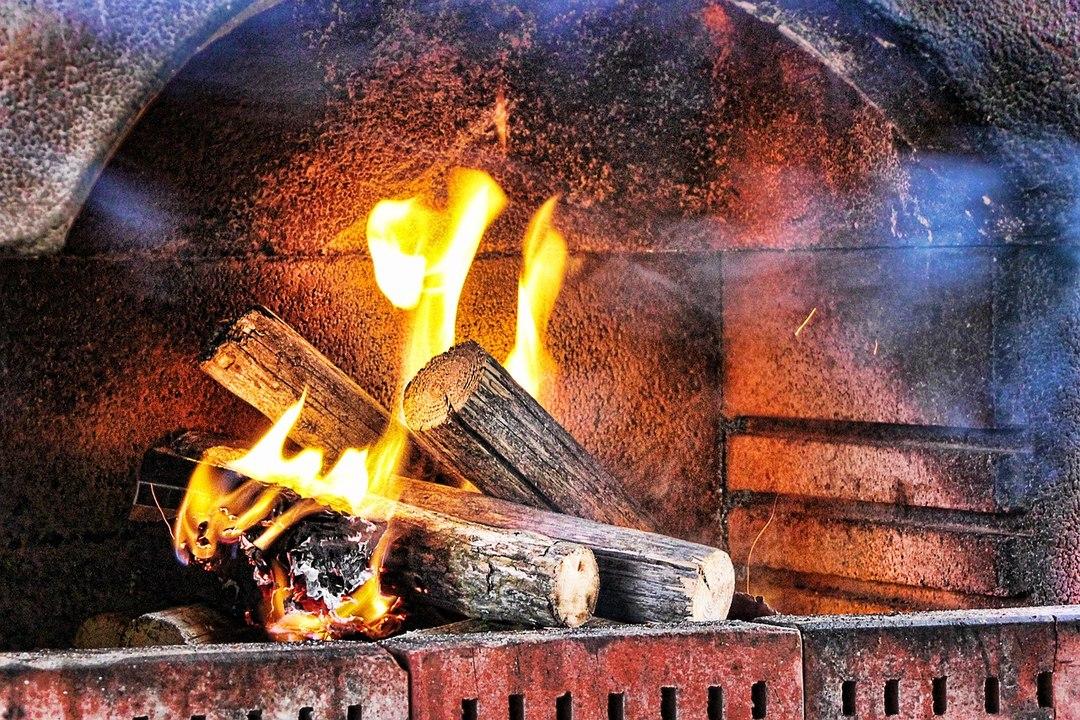
An open hearth wastes most of its wood
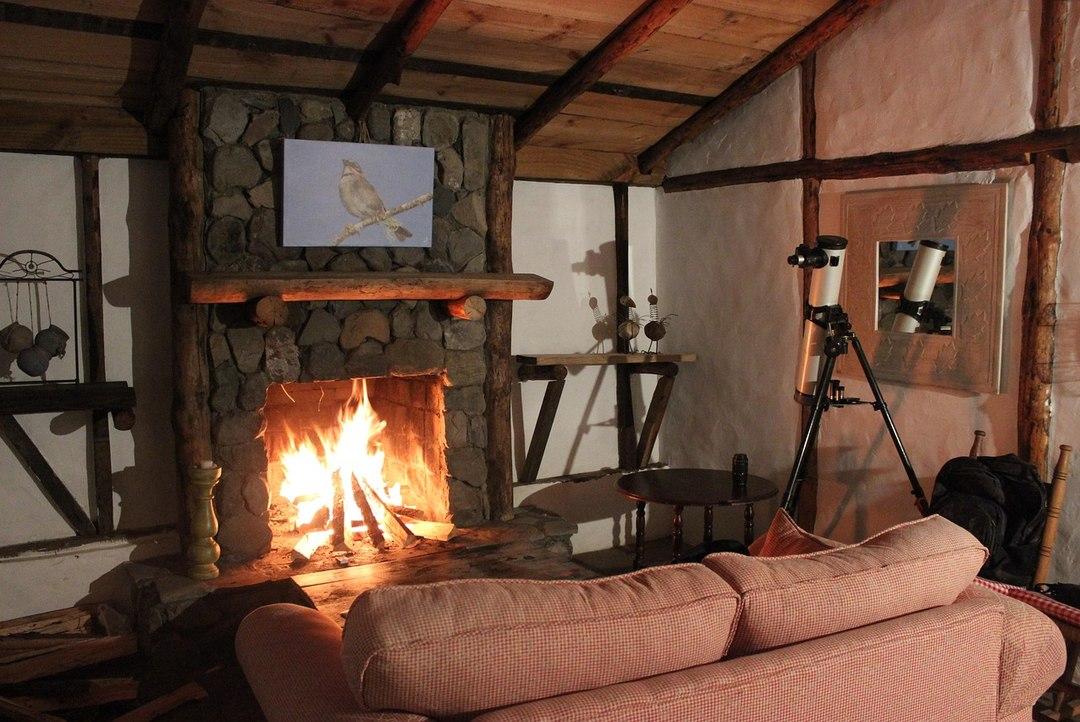
An open brick fireplace looks the part and warms whoever sits closest. Most of the heat goes straight up the chimney, and on a cold night the fire pulls warm air out of the rest of the house to feed itself. That is why so many owners in Costa Mesa end up asking us about an insert: a closed firebox that slides into the old opening and sends its exhaust up a new metal liner to the top of the chimney.
The real choice is fuel. Wood, pellets and gas each make a good insert. They make very different winters.
Side by side
| Wood insert | Pellet insert | Gas insert | |
|---|---|---|---|
| Fuel | Split, seasoned logs | Bagged pellets | Natural gas line |
| Your work | Splitting, stacking, loading, ash | Filling the hopper, weekly ash | Pressing a button |
| Needs house power | No | Yes, for fans and feed | Many run without it |
| Heat in a power cut | Yes | No, unless on backup power | Often, with a standing pilot |
| Sweeping | Every season for regular burners | Vent cleaned yearly | Yearly check, little soot |
| No-burn alerts | Applies | Ask us about your model | Not affected |
| Our fitted price | Written figure after we measure | Written figure after we measure | $2,750 to $5,500 |
Wood: for people who like the work
A wood insert is the one for owners who enjoy the fire itself. You get the crackle, the smell and heat that keeps coming after the power goes out. Modern wood inserts burn far cleaner than an open fire and turn a load of seasoned oak into hours of steady heat.
The price is your time. Wood has to be split, stacked off the ground and left to dry, ideally through a full summer. Most of the trouble we see on Costa Mesa stoves traces back to wet wood: black glass, short burns, tar in the flue. A wood burner also needs its chimney swept every season it gets regular use. Our chimney sweep starts from $415.
Wood is also the fuel that falls under the air district's Rule 445 no-burn alerts, which the district can call on winter days. On those days a wood insert sits cold.
Pellets: wood heat with a thermostat
A pellet insert burns compressed sawdust fed by a motor from a hopper on top. Fill it, set the heat and it runs on its own for a day or more. The flame is smaller and busier than a log fire, and there are fans you can hear. Bags stack neatly in a garage, as long as they stay off the damp floor.
The trade is power and parts. A pellet insert needs electricity to run, and it has an igniter, motors and a control board that wear out over the years. When one fails, the stove stops. Our post on pellet stove repairs covers what that looks like.
Gas: heat without the chores
A gas insert gives up the wood altogether. A sealed box, ceramic logs behind glass, a button or a remote. There is nothing to carry in and no ash to carry out, and a yearly check keeps it running. For owners who have stopped enjoying the hauling, this is usually the answer.
Fitted in an existing masonry fireplace, a gas insert costs $2,750 to $5,500 with Larkin Chimney Company. Where your job falls in that range comes down to the unit you choose, how far the gas line has to run and the height of the chimney the liner runs up.
What all three need from the chimney
Every insert vents through a stainless liner run from the unit to the top of the chimney, not into the open smoke chamber of the old fireplace. The old clay tiles were sized for an open fire, far too large for the small, cooler exhaust an insert sends up. Our post on relining for a wood stove covers why that matters.
Before any insert goes in, we look at the firebox, the damper area, the flue and the top of the chimney. A cracked crown, a missing cap or broken tiles get fixed or allowed for first. If the chimney has never had a camera through it, a Level 2 inspection at $385 shows what the liner will be passing.
What decides the right one for your house
Three things settle it more than anything else: how you want to spend winter evenings, whether you have space to store fuel, and whether there is a gas line near the fireplace. After that comes the opening itself. Some old fireplaces are too shallow or too narrow for a given insert, and that is something only a tape measure answers.
Tell us which fuel you are leaning toward and roughly how big the fireplace opening is, and we will come out, measure it and give you a written figure for each option you are weighing.
Living with it in Costa Mesa
Winters here are mild, so most inserts in Costa Mesa run evenings and weekends rather than all day. That favors gas for owners who want a quick fire after work, and wood for owners who enjoy a long weekend burn. Pellets suit people who want steady heat in one room, set and forgotten. All three are fine choices. The wrong choice is the one that does not fit how you actually live.
Next step
Our fireplace inserts page sets out the fitting work in detail. When you are ready to compare real figures for your own fireplace, send a note through our contact page and we will set a time to come and measure.
Want Larkin to Look at Yours?
We look at the stove, hearth or flue this post talks about, tell you what wore out and why, and send the report with photos. Visits leave Costa Mesa for Westminster, Newport Beach, Lake Forest and the towns around them.